How Nutrition Needs in Perimenopause Change
By Ashley Nowe
Published:
Seemingly out of nowhere, the diet you’ve followed and exercises you’ve been doing for years don’t seem to work anymore. Perimenopause is often a huge wakeup call to women. That’s because as we reach midlife, our nutrition needs and exercise needs change.
Why is that, and what diet changes can we make to fuel our bodies for this stage of life?
Why the Same Things No Longer Work, or Hormones Impact Everything
In midlife, our bodies begin to look and feel different. The way we carry our weight can change. Many of us start to store fat more in our bellies. Hello “menobelly.” (There are some theories about this, but they are largely unstudied and theories rather than scientific evidence.)
Muscle mass is our body’s metabolic powerhouse. The more muscle we have, the more calories our bodies burn just to keep us alive. After the age of 30, however, we start to lose about 3 to 8% of our muscle mass per decade. This is why it’s so important to strength train! More muscle = faster metabolism. Less muscle = slow metabolism.
Our nutrition expert Jennifer Woodward, a functional diagnostic nutritionist who specializes in perimenopause, gets deeper into how hormonal shifts impact weight gain and the loss of muscle mass.
Hormone level changes may also be associated with the increased rates of obesity, metabolic syndrome, cardiovascular diseases, and osteoporosis seen during perimenopause and menopause.
Obviously we want to avoid and prevent these health issues as much as we can! That’s where diet comes into play.
Is There an Ideal Menopause Diet?
For SO many years, women were told to go fat-free, low-carb, fast, try the latest juice cleanse, and on and on, all in the name of “thinness.”
But the science is clear: Healthy fats are good for you, complex carbohydrates are fueling, and protein is the key not only to lasting energy, but is essential for building and maintaining muscle.
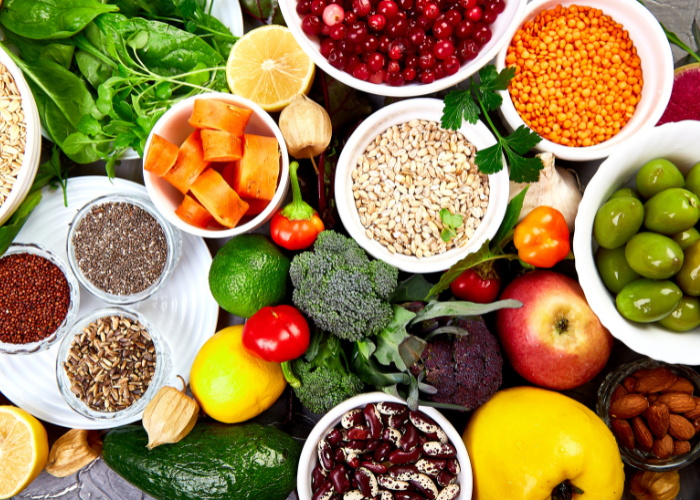
While there is no perfect menopause diet, good nutrition and healthy eating habits are so important in perimenopause. Eat a varied and balanced diet focusing on whole foods to help maintain a healthy weight. Studies have shown a Mediterranean diet may be the most beneficial in supporting perimenopause symptoms. But don’t overthink it. Try to eat foods that are from the earth and largely unprocessed. In other words: lots of vegetable, lean protein, complex carbs (like sweet potato, squash, and whole grains), legumes, fruits, and some nutritious fats.
What to Eat in Perimenopause
Bottom line: our nutrition needs change over time. Staying focused on healthy foods and an active lifestyle will help you ride the menopausal rollercoaster with (some!) grace.
- Protein: We need lots of protein. Our muscle mass is declining, so it is key to helping us gain and retain muscle in midlife.
- Eat these: Fish, lean meats, beans, eggs, tofu, nuts, lentils
Jennifer Woodward dives in deep on why protein is so darn important in perimenopause:
- Fiber: Fiber is a must in our perimenopause diet and is particularly important for several reasons, including its role in stabilizing blood sugar and minimizing insulin resistance, aiding digestion, promoting healthy weight management, and supporting gut health.
- Eat these: Fruits, veggies, whole grains, legumes
- Magnesium + Omega-3 Fatty Acids: We are fighting inflammation, sleepless nights and mood swings. Foods with magnesium and omega 3s help us so much with both sleep and mood. Omega 3s are an essential fatty acid, and help absorb fat-soluble vitamins A, D, E, and K, and support brain health.
- Eat these: oily fish (salmon, mackerel, sardines), nuts, avocado
- Calcium: As we age, bone density decreases. Lower your risk of developing osteoporosis by incorporating calcium and vitamin D-rich foods. They also help support your immune system.
- Eat these: Dairy products, leafy greens, tinned fish like sardines, fortified plant-based milks
- Phytoestrogen-rich Foods: These foods can help balance estrogen levels, smoothing out the hormonal rollercoaster a bit.
- Eat these: Soy products (tofu, tempeh), flaxseeds, legumes
Check out the Menovation app for tons of recipes that support your nutrition needs in perimenopause.
Food groups to limit or avoid during perimenopause (and any stage of life), include: processed foods, foods and drinks with added sugar, alcohol and caffeine, which can worsen hot flashes and disrupt sleep, and saturated and trans fats, which impact cholesterol.
And always listen to your body, pay attention to how it reacts when you consume different foods. For more tips, check out this post on avoiding menopause weight gain.
Supplements for Perimenopause
While we can get most of our nutritional needs met with food, it’s hard. (Why add more to our lists?) So do your best with real, whole foods and consider adding the following supplements to help support your nutrition needs in perimenopause:
- Creatine: Creatine is a naturally occurring compound found in your muscles and brain. It helps create energy, build muscle, and supports brain function. This post goes deep into the benefits of creatine.
- Vitamin D+K: Vitamin D and K play a role in maintaining bone health. Vitamin D helps with calcium absorption and bone density. Vitamin K works to ensure calcium is properly absorbed in the body.
Are Weight Loss Drugs Ok for Perimenopause?
GLP-1s, like Ozempic and Wegovy, were initially designed to treat type 2 diabetes, but have become popular for weight loss. At this time, we don’t know much about the long-term effects of using these medications for weight management, specifically for women in perimenopause.
However, GLP-1 inhibiting drugs may be an appropriate and life-changing option for some women, including those who are obese or have medical conditions like diabetes or hypertension. They also come with significant side effects, so it is important to have a conversation with your provider to see if these options are right for you.
How Menovation Can Help
We are here at Menovation to help support and empower you through your perimenopause sleep issues and beyond. It features exercises, nutrition plans, and education for improved well-being, reduced symptoms, and inspiring self-care for confidence and vitality. Then tell a friend – we are trying to keep the lines of communication about perimenopause open, right?
As always, talk to a doctor or mental health professional about your experience. Be sure to reach out to a professional for additional support, especially if you are experiencing severe symptoms, want to explore hormone therapy, or have other health concerns.
Take the “What stage am I in?” quiz here to find out what stage of perimenopause or menopause you are in and receive a free guide to help you feel your best during that time!
Menopause doesn’t mean slowing down—it means powering up. The Menovation app helps you stay on top of menopause health with workouts, education, and tools made for you. Download on the App Store or Google Play. Start free trial here.